How to Import a Car from Japan to Kenya: The Complete Guide
Most of the used cars on Kenyan roads came from Japan, and importing one is still the best way to get a well-kept car for the money. It is also the purchase where buyers lose the most to a missed rule, a surprise tax bill or a wrong bank account. This guide follows an import from the first call to the day you drive away, with what each step costs and how long it takes.
9 steps, Japan to your driveway
6 to 8 weeks from bid to keys
Updated
Overview The short answer
Importing a car from Japan to Kenya at a glance
To import a car from Japan to Kenya, choose a car Kenya will accept (right-hand drive and, in 2026, first registered in 2019 or later), have an importer buy it for you at a Japanese auction, have it inspected by QISJ before it ships, send it by sea to Mombasa, pay KRA's taxes and register it with NTSA. From the winning bid to your keys takes six to eight weeks.
Weeks 1 to 2
In Japan
The car is chosen, bought, paid for, inspected and booked onto a ship.
8 years Kenya's age limit, counted from first registration
35% import duty, with excise duty and VAT on top
48 hours to pay for a car once it is won
Mombasa where the car lands and is cleared
01 Who imports it
Step 1: Choose who will import the car for you
Your importer handles every step that follows, so choose one you can visit.
Japanese auctions sell only to registered members, so a private buyer in Kenya cannot bid on their own. Someone has to buy the car for you, and that choice decides who you deal with for the next two months, and who answers if something goes wrong.
Importer in Kenya
A Kenyan company buys, ships and clears the car
The importer bids for you at auction, pays the Japanese side, arranges the inspection and the ship, and clears and registers the car at this end. You deal with one company, in shillings, in your own time zone.
Why buyers choose it
One office you can walk into, from bid to logbook
You pay a Kenyan company account, not a bank abroad
A landed price in shillings before you commit
What to watch
The service fee, which should be in writing
Whose name the car is shipped and cleared in
Already in Kenya
Buy a car that has already landed and been registered
A car imported earlier, cleared through customs and registered, waiting at a yard. You see it, drive it and have it checked before you pay, and every step below is already done. Ours are on our list of cars in Kenya.
Why buyers choose it
See, test drive and inspect the car first
Drive away in days, not weeks
What to watch
A repaint can hide accident damage
The logbook must be in the seller's name
How to check an importer before you pay anything
A registered company with an office
A limited company you can look up, with a physical address you can visit. A phone number and a WhatsApp profile are not a business.
Bank accounts in the company's name
Every payment should go to an account in the company's registered name. A request to pay a person, an M-Pesa number or "our agent's account" is the end of the conversation.
The auction sheet before the bid
A good importer shows you the auction sheet for every car before bidding on it, and tells you what it says in plain English.
A landed price in writing
One figure in shillings for the car, the shipping, KRA's taxes, clearing and registration. If an importer will not write it down, expect it to grow.
Buyers who will vouch for them
Ask to speak to someone who imported through them in the last few months. Reviews on the company's own site are a start, not proof.
02 Kenya's rules
Step 2: Check that Kenya will accept the car
The age limit moves on 1 January every year. Check it against the day the car will land.
The Kenya Bureau of Standards (KEBS) turns away any car that breaks the import rules, and the cost of shipping it back out falls on the importer. Check these before you bid, not after the car is on the water.
No more than eight years old
Kenya admits used cars up to eight years from the year they were first registered, under the standard KS 1515:2000. In 2026 that means first registered in 2019 or later. The year is on the Japanese export certificate, and the auction sheet gives it as a Japanese era date such as R1 or H31, which our auction sheet guide turns into a calendar year. KEBS's notice for 2026 also mentions the year of manufacture, so check both.
Right-hand drive
Kenya registers right-hand drive cars only. Almost every car sold in Japan is right-hand drive, but the auctions also sell imported left-hand drive cars, and those cannot come in.
A Certificate of Roadworthiness from QISJ
Every car shipped from Japan must be inspected before it leaves by Quality Inspection Services Inc. Japan (QISJ), the company KEBS has contracted there. Step 5 explains the inspection.
It lands before the window moves
A car that qualifies in October may not qualify in January. If a car is first registered in the oldest year Kenya accepts, buy it early enough to land and clear before 31 December, and ask your importer before bidding on one late in the year.
03 The auction
Step 3: Find the car and bid at auction
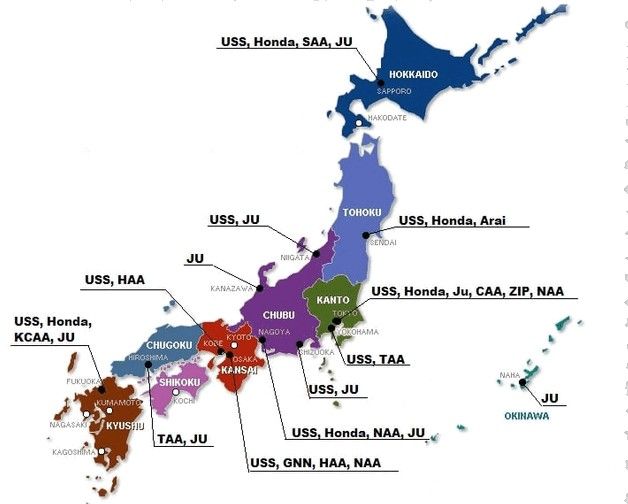
Japan's main car auction houses, region by region. Between them they sell thousands of cars every week.
Most used cars in Japan are sold through dealer auctions such as USS, TAA, JU and CAA, held on fixed days every week. Each car is inspected by the auction house and described on an auction sheet, which is why a car bought this way can be judged before anyone in Kenya has a reason to sell it to you.
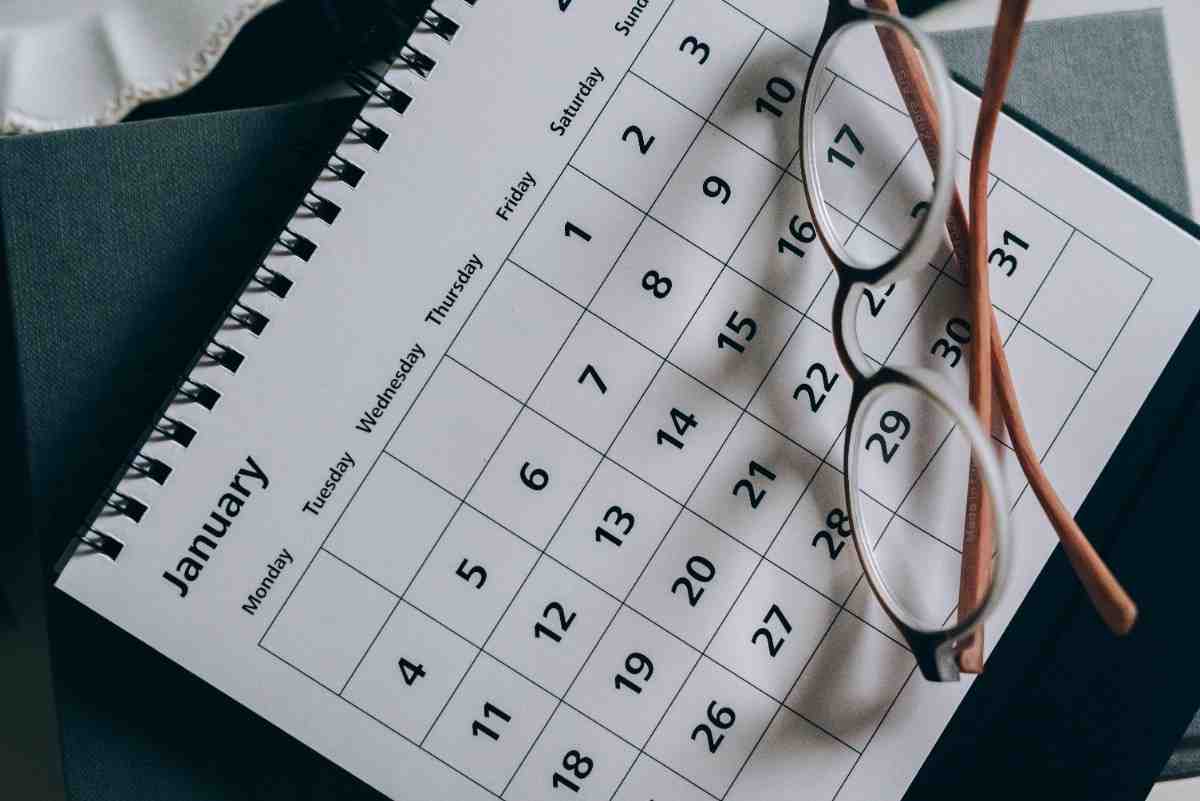
Search by model, year and budget. Your importer searches the coming week's auctions for cars that match, or you pick from our Direct Import list. The auction calendar shows which houses sell on which days.
Read the auction sheet. Look for an overall grade of 4 or better and an interior of A or B, C tolerable. Treat an R or RA, a repaired car, with care: it can be good value only when the notes say exactly what was repaired. How to read an auction sheet, box by box.
Check it against Step 2. The year of first registration and the steering side, from the sheet, before the bid.
Set a maximum bid in yen. Decide the highest price you will pay, and remember the auction's fees and the Japanese costs come on top of the hammer price.
Let the importer bid. The bid is placed live, in seconds. If the car goes above your maximum, let it go: another one comes up next week.
Win, and get the invoice. The final price and the payment instructions come within hours of the sale, and the car must be paid for within 48 hours.
04 Payment
Step 4: Pay safely, in stages
Pay a company, into an account in its own name, by bank transfer.
An import is paid for before the car reaches you, so how you pay matters as much as what you buy. Through an importer in Kenya you pay in Kenya, by local bank transfer into the company's own account, in stages as the car moves.
A deposit, before the bidding
With us, $200 opens the live auction and $1,000 lets us bid, the $200 counting towards it, and both are refundable until we begin buying your car. Our deposit terms set out each stage.
The balance, against the purchase invoice
Once the car is won you receive an invoice with the final price and the chassis number, payable within 48 hours. Later costs, such as the taxes and clearing, are paid against invoices of their own.
Only to a company account, confirmed by phone
Ours are two accounts in the name CARDOJO IMPORTS LTD, at Co-operative Bank and NCBA, listed on our Bank details page. Our accounts never change, and the only other place we give one out is on a call you placed to +254 705 500 055.
An invoice and a receipt for every payment
Each should name the car by its chassis number. Every document we stamp carries a code you can check on our Verify page.
05 Inspection
Step 5: Pass the pre-shipment inspection in Japan
No QISJ certificate, no clearance at Mombasa.
Before a car leaves Japan for Kenya, QISJ inspects it on KEBS's behalf. The car cannot be cleared at Mombasa without the certificate that inspection produces, the Certificate of Roadworthiness.
What the inspection checks
Identity: the chassis number on the car matches the export certificate
Age: the year of first registration is within Kenya's limit
Roadworthiness: brakes, steering, suspension, lights, tyres, glass and the body
Radiation: a scan for contamination, required since 2011
The mileage, written on the certificate on the day of the inspection
A car that fails for a fault can be repaired and inspected again before it ships. A car that fails on age or steering cannot be fixed for Kenya, which is why Step 2 comes before the bid.
The inspection Kenya requires
QISJ's Certificate of Roadworthiness. Some guides name other companies as Kenya's inspector; for a car from Japan, this is the certificate KEBS checks at Mombasa.
A second opinion, if you want one
We can arrange an extra inspection by JEVIC, JAAI or EAA at a charge. It does not replace QISJ's, but it gives you an independent report on the car before it sails.
06 Shipping
Step 6: Ship the car to Mombasa
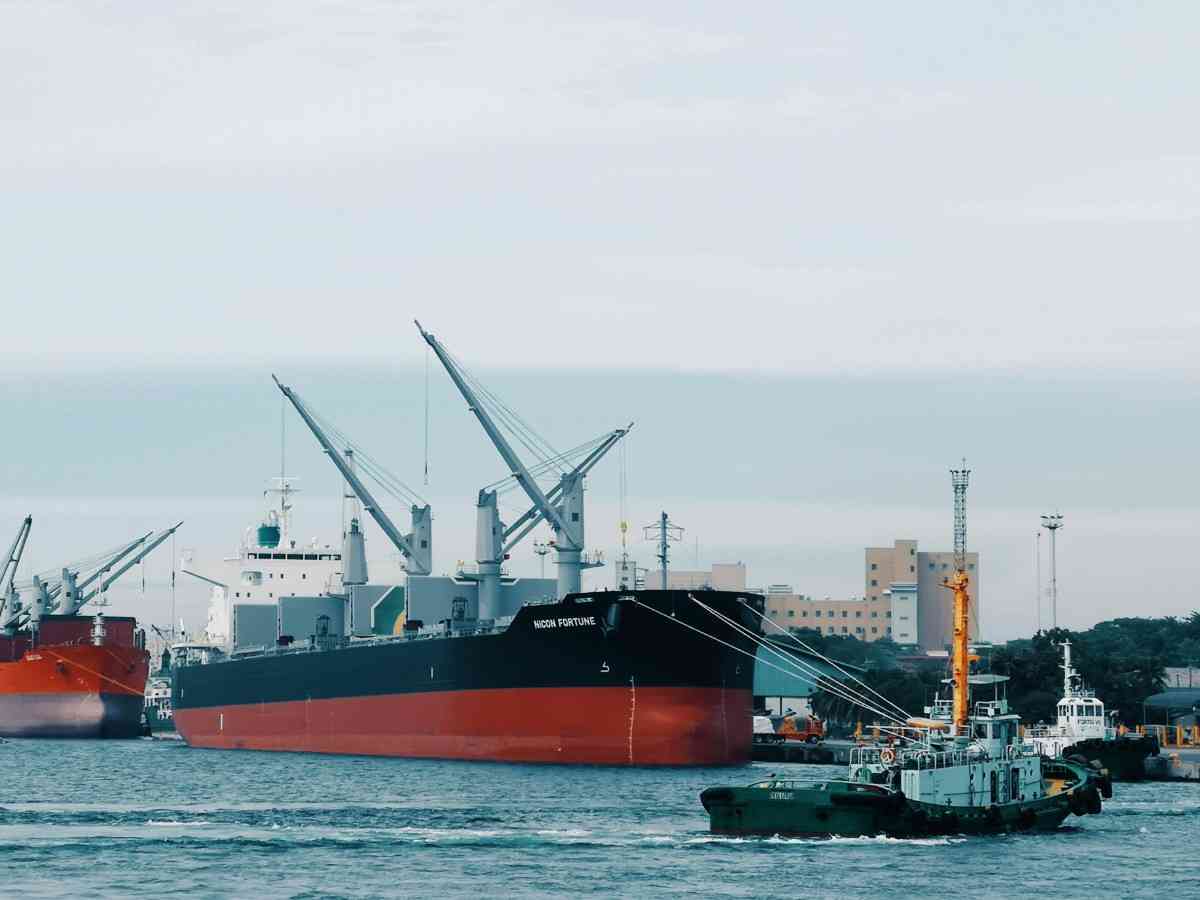
Cars for Kenya sail from Yokohama, Kobe or Nagoya, and land at Mombasa three to five weeks later.
Once the car has passed its inspection it is booked onto the next vessel for Mombasa. The ship's schedule is the one part of an import nobody can hurry, so the time at sea is the time to get the Kenyan paperwork ready.
Roll-on roll-off (RoRo)
The car is driven onto a car carrier in Japan and driven off at Mombasa. It is the usual way to ship one car, and the cheapest. Nothing may be left inside the car.
In a container
The car travels sealed in a container, alone or shared with other cars. It costs more, but suits a high-value car or one shipped with spare parts, and a container can go on by rail to the Inland Container Depot in Nairobi.
The papers that come with the car
The originals are sent by courier with a tracking number, and they must be in Kenya before the car is.
Bill of lading
Issued by the shipping line once the vessel sails: the ship, the ports, the chassis number and who the car is consigned to. The car is released against it.
Export certificate
Issued in Japan when the car's registration is cancelled for export. It gives the date of first registration, the date KEBS counts the car's age from.
Invoice
From the seller, with the price and the chassis number. It must be the real price: see the note on under-declaring in Step 7.
Certificate of Roadworthiness
QISJ's certificate from Step 5, with the chassis number and the mileage on inspection day.
Marine insurance
Kenya requires imports to be insured with an insurer registered in Kenya, and customs asks for the certificate.
KRA taxes a used car on its retail value in Kenya, not on the price you paid.
When the ship docks, the Kenya Revenue Authority (KRA) values the car, charges its taxes and releases it once they are paid. A licensed clearing agent lodges the entry in KRA's customs system and handles the port on your behalf. With the papers in order, clearance takes a few working days.
Before the ship arrives. You need a KRA PIN. Your importer lodges the Import Declaration Form (IDF) and attaches the marine insurance certificate.
The entry. The clearing agent lodges the customs entry with the bill of lading, the invoice, the export certificate and the inspection certificate.
The valuation. KRA works out the car's customs value from its Current Retail Selling Price (CRSP), reduced for its age, and charges the taxes in the table below.
The check at the port. KRA and KEBS check the car against its papers: the chassis number, the year and the QISJ certificate.
Pay and release. The taxes are paid to KRA through the bank, then the port and the shipping line's charges, and the car is released.
The taxes on an imported car
Each tax is charged on the one before it
Tax
Rate
Charged on
Import duty
35%
The customs value
Excise duty
20% up to 1500cc; 25% above 1500cc; 35% above 3000cc petrol or 2500cc diesel
Customs value and import duty
VAT
16%
Customs value, import duty and excise duty
Import Declaration Fee (IDF)
2.5%
The customs value
Railway Development Levy (RDL)
2%
The customs value
An example
A 2,000cc petrol car with a CRSP of KSh 2,000,000, made three years before, so reduced by 50% for age:
The logbook is the proof the car is yours. Check every line of it.
A cleared car still cannot go on the road until the National Transport and Safety Authority (NTSA) registers it. Registration gives the car its number plates and a logbook in your name.
The application. Once customs has released the car, the application goes to NTSA through eCitizen, with the customs entry, the export certificate, and your KRA PIN and ID.
The plates. NTSA allocates a registration number and issues the plates, which go on before the car goes on the road.
The logbook. It is issued in your name and shows on your eCitizen account. If a bank financed the car, the bank is listed as joint owner until the loan is paid.
Check it the day it arrives. The chassis number, engine number, make, model, colour and year must match the export certificate. A mistake is easy to correct now and hard to correct when you come to sell.
09 Delivery
Step 9: Collect, insure and drive your car
Six to eight weeks after the winning bid, the car is yours to drive.
The last step is getting the car from the port to your door and making it ready for Kenyan roads.
Insure it before it moves
Third-party cover is the legal minimum on a Kenyan road. For a car you have just imported, comprehensive cover is worth the difference.
Get it home from Mombasa
Drive it up once it has plates and cover, send it on a car carrier truck, or collect it in Nairobi if it was railed to the Inland Container Depot.
Inspect it on handover
Walk round the car with the auction sheet and its photographs before you sign for it, and put anything new, such as a scratch from the voyage, in writing.
Give it a first service
A car that has sat at an auction yard and crossed an ocean deserves new oil and filters, fresh brake fluid and coolant, and a look at the battery. Check the tyres' age as well as their tread: the four-digit date code on the sidewall gives the week and year they were made.
Sort out the radio and the screen
A radio built for Japan tunes FM only up to 90 or 95 MHz, while Kenyan stations go up to 108, so many imports need a band expander or a new head unit. Most navigation screens can be switched to English, or replaced.
Costs What you will pay
What it costs to import a car from Japan to Kenya
The price at auction is only part of what a car costs landed in Kenya, and KRA's taxes alone can come close to the car's value. Every one of these belongs in your budget before you bid.
The costs of an import, in the order they are paid
Cost
Paid to
When
The car's price at auction or in stock
The auction or exporter, through your importer
Within 48 hours of the win
Auction fees, transport to the port, export papers
The Japanese side
With the car's price
QISJ inspection
The inspection company
Before shipping
Freight and marine insurance
The shipping line and a Kenyan insurer
Before the car sails
Import duty, excise duty, VAT, IDF and RDL
KRA
On arrival at Mombasa
Port, shipping line and clearing charges
KPA, the line and the clearing agent
On arrival
Registration and number plates
NTSA
After clearance
Transport, insurance and a first service
You choose
On collection
Timing Week by week
How long it takes to import a car from Japan
Six to eight weeks from the winning bid to your keys is usual for Mombasa. The time at sea is set by the ship; the time at either end is set by how ready the papers are.
Day 1 to 2: the car is won and paid for
The purchase invoice follows the auction, and payment is due within 48 hours.
Week 1: to the port, and the inspection
The car leaves the auction yard, its export certificate is issued and QISJ inspects it.
Week 2: loaded and sailing
The car is loaded at Yokohama, Kobe or Nagoya, and the bill of lading is issued once the ship sails.
Weeks 3 to 6: at sea
The original papers travel ahead by courier, and the IDF, KRA PIN and insurance are sorted out in Kenya.
Weeks 6 to 7: Mombasa
The ship docks, the entry is lodged, the taxes are paid and the car is released.
Weeks 7 to 8: plates, logbook and keys
NTSA registers the car, the plates go on and the car comes to you.
Avoid Where money is lost
Mistakes that cost importers money
Most expensive imports go wrong in the same few places. Every one of these is cheaper to avoid than to fix.
Buying a car Kenya will refuse
Too old, left-hand drive, or landing after the window has moved on 1 January. Shipping it out again comes on top of everything you paid for it.
Budgeting for the car, not the tax
KRA's taxes are worked out on the car's Kenyan retail value, and on a recent car they can come close to the price you paid in Japan.
Bidding without the auction sheet
The sheet is the one honest record of the car. Without it you are buying a photograph.
An under-declared invoice
It saves no tax, since KRA works from CRSP, and it puts the car at risk of being held.
Paying a personal account
Or one sent by message. Pay a company account, confirmed on a call you placed.
Papers late at Mombasa
Storage at the port is charged by the day once the free days are used, so a car waiting on papers costs money every morning.
Insurance bought abroad
Marine insurance for an import into Kenya has to come from an insurer registered in Kenya.
A logbook nobody checked
A wrong chassis number or year on the logbook is simple to fix the week it is issued, and a problem for years if it is not.
Checklist Step by step
Your import checklist
Keep this beside you from the first call to the day you collect the car.
An importer you can visit, with accounts in its company name and a landed price in writing.
The car qualifies: first registered in 2019 or later for 2026, right-hand drive, landing before the window moves.
The auction sheet read before the bid: grade 4 or better, interior A or B, C tolerable.
A maximum bid in yen that leaves room for the fees, the freight and KRA's taxes.
Every payment to a company account, confirmed by phone, with an invoice naming the chassis number.
A QISJ Certificate of Roadworthiness before the car sails.
The papers in Kenya before the car: bill of lading, export certificate, invoice, inspection certificate and marine insurance.
Your KRA PIN and the IDF ready before the ship docks.
The logbook checked against the export certificate, line by line.
Insurance in place before the car goes on the road.
Cardojo Imports We do it for you
How we import a car for you
Every step in this guide is one we take for our buyers, from the auction in Japan to the logbook in your name.
We tell you whether a car can come into Kenya before you bid on it.
The auction sheet before the bid, in plain English, with what we would worry about.
A landed price in shillings, in writing, before you pay anything.
A deposit you can get back until we begin buying your car.
Payments in Kenya, into two accounts in the name CARDOJO IMPORTS LTD.
The inspection, the ship, KRA and NTSA arranged, with every stage on your dashboard.
Questions about importing a car from Japan to Kenya
The car's price in Japan, plus the auction and export fees, the QISJ inspection, freight and marine insurance to Mombasa, KRA's taxes, port and clearing charges, and NTSA registration. The taxes are the largest single cost after the car: for a 2,000cc petrol car with a CRSP of KSh 2,000,000 and four to five years old, they come to about KSh 461,000. Ask for a landed price in writing before you bid.
Six to eight weeks from the winning bid to your keys is usual: about two weeks in Japan for payment, inspection and loading, three to five weeks at sea, and one to two weeks in Kenya for customs and registration.
No. From 1 January 2026 Kenya admits only used cars first registered in 2019 or later, and QISJ certificates for cars first registered in 2018 stopped being valid after 31 December 2025. Because the KEBS notice also mentions manufacture, check both dates before you bid.
The bill of lading, the export certificate, the invoice, the marine insurance certificate and QISJ's Certificate of Roadworthiness, with your KRA PIN and the Import Declaration Form. When you import through us, we prepare and lodge them for you.
KRA starts from the car's Current Retail Selling Price (CRSP), reduces it for the car's age and takes out the taxes already inside it to reach the customs value. On that it charges import duty at 35%, excise duty at 20%, 25% or 35% depending on the engine, VAT at 16%, the IDF at 2.5% and the RDL at 2%.
In practice, yes. Customs entries are lodged in KRA's system by licensed clearing agents, and a good one knows the port, the charges and the paperwork. When you import through us, we arrange the clearing for you.
Kenyans who have lived abroad for at least two years may import one personal car free of import duty if they owned and used it for at least a year. Other taxes and conditions can still apply, and the car must still meet the age limit, so confirm with KRA before shipping.
No. Kenya registers right-hand drive cars only. Japanese auctions sell some imported left-hand drive cars, so check the steering side on the auction sheet before you bid.
It cannot be shipped to Kenya until it passes. A fault such as worn brakes or a broken light can be repaired and the car inspected again. A car that fails on its age or its steering side cannot be fixed for Kenya and has to be sold elsewhere.
Importing usually costs less for the same car and gives you far more choice, but it takes six to eight weeks and you pay before you see the car. A car already in Kenya can be seen, driven and inspected first, and collected within days.